More than Just a Robot
Your child didn’t just build a toy—they built a real machine. Through Turnabot, students learn how mechanical systems, electronics, and design come together to create something that moves, grabs, flips, and battles. Along the way they practice problem-solving, persistence, and creative thinking as they test ideas, improve their robots, and compete with their classmates.
Many professional engineers, product designers, and robotics innovators first discovered their passion through hands-on building projects just like this one.
If your child came home excited about their robot, there are several easy ways to help them keep exploring and growing their skills.
What Your Child Learned Through Turnabot
Building a combat robot introduces students to real engineering concepts in a hands-on and exciting way. Depending on the kit and classroom setup, students may have learned about:
Mechanical systems – how linkages and moving parts create motion
Electronics – batteries, power, wiring, and electronic components
Radio control systems – how transmitters and receivers communicate with robots
Engineering design – testing ideas and improving them over time
Problem solving – diagnosing issues and making adjustments
Safe tool use – building and assembling real hardware
These are the same foundational concepts used by engineers, product designers, and robotics professionals.
Keep the Battles Going at Home
One of the easiest ways for students to continue learning is simply by building and battling more robots.
Many families choose to set up a small robot arena at home so students can experiment, test ideas, and battle with friends or siblings. A simple setup with two robots and an arena gives builders endless opportunities to improve their driving skills, try design ideas, and learn through experimentation. We also recommend adding a 3D printer (we use Bambo X1C) for more accessible design flexibility and creativity.
This kind of hands-on play encourages creativity, engineering thinking, and confidence with mechanical systems.
Exploring Competitive Robotics
Some students eventually want to take the next step and compete in real combat robotics events. These competitions happen all over the country and welcome new builders.
Understanding Weight Classes
Fairyweight (150g / ~0.33 lb)
The tiniest combat robots—fast to build, lower-cost, and great for beginners or quick experiments. Usually fought in smaller arenas with lighter impacts.
Spiderweight (0.5 lb / 226g) (up-and-coming class!)
A newer, growing class that’s bigger and tougher than Fairyweights but still lightweight and affordable to compete with. Bonus: In many competitions, two Spiderweights can team up as a multibot in the Antweight division (as long as the combined weight meets the event’s multibot rules).
Antweight (1 lb / 454g)
One of the most popular “serious starter” classes—big enough for real weapons and durable designs, but still manageable for newer builders. Rules vary by event, so always check what weapon types and materials are allowed.
PLANT (Plastic Antweight) (1 lb / 454g)
A special type of Antweight where bots must be built mostly from plastic/approved materials (event rules decide the exact limits). It’s designed to keep the class more affordable, reduce extreme armor builds, and make repairs less painful.
Beetleweight (3 lb / 1.36 kg)
A major step up in size and power—more space for stronger drive systems, thicker armor, and harder-hitting weapons. It’s super exciting to watch, but it’s typically more expensive and demanding to build safely and reliably.
Where does Turnabot fit in?
Turnabot products are built to fit into the most popular beginner-friendly combat robotics pathways—whether you want a ready-to-drive competitive bot, a teachable design platform, or a build-your-own parts kit for a full custom robot.
If your child is interested in competing, visit our Find Events page to discover tournaments and robotics events near you.
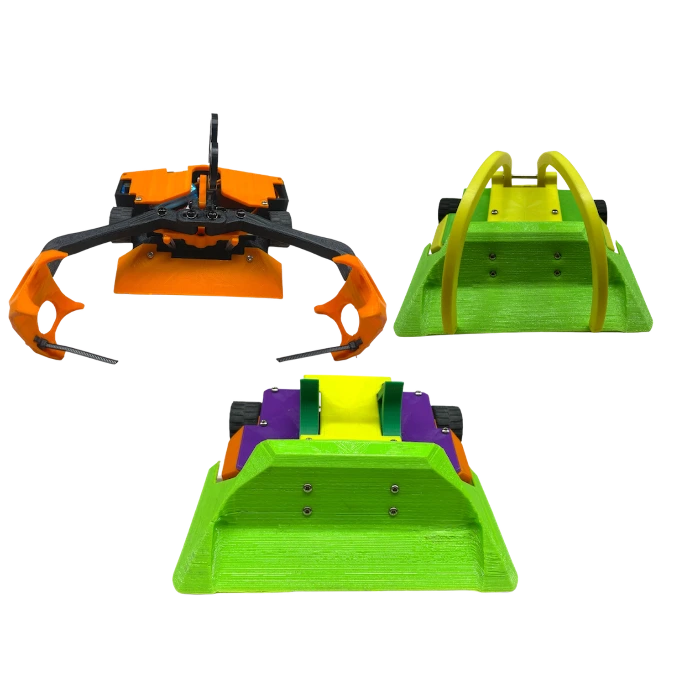
Turnabots
150g (Fairyweight)
Non-destructive and competition-ready combat robots
Competitive performance in the 150g class
Great for first-time competitors
CAD files are not shared (design is kept protected)
OverThrow / SlammerSqueezy
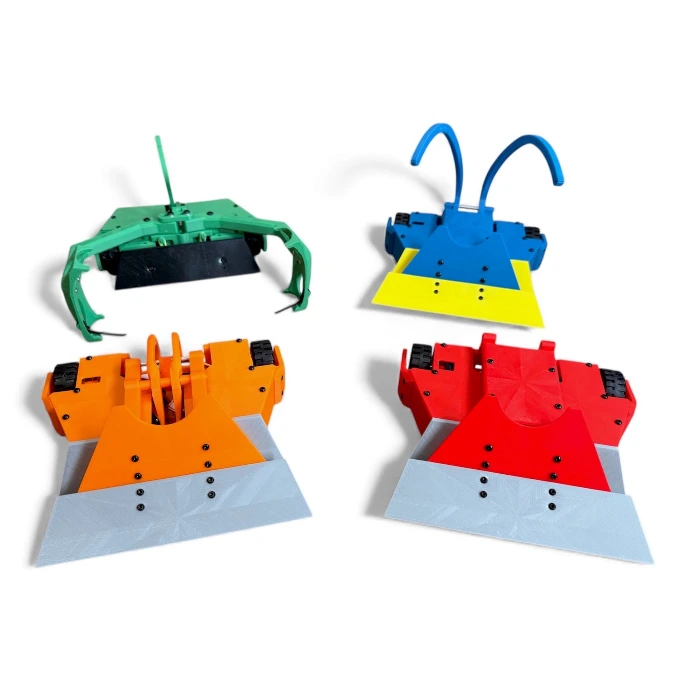
Creatabots
1/2 lb (Spiderweight)
Non-destructive
Simpler design specifically made for teaching build + design skills
Use 2 as a multibot in a 1 lb competition
CAD files are shared, so learners can explore, edit, and improve the design
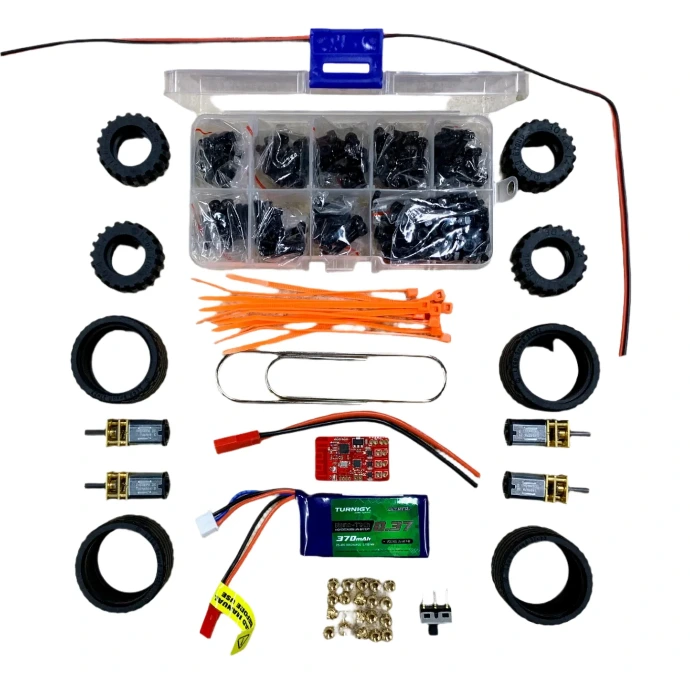
Starting a Club or Hosting a Tournament
Many students enjoy continuing the experience with friends. Schools, community groups, and parents sometimes organize Turnabot Turnaments or robotics clubs so students can keep building and battling together.
A small tournament can bring together builders from multiple schools and create an exciting event that encourages teamwork, creativity, and friendly competition.
Visit our Turnabot Turnament page to learn how easy it can be to host an event.
Encouraging a Young Builder
The most important thing you can do is simply encourage curiosity. When students build, test, and improve their ideas, they develop confidence in their ability to solve problems and create new things.
Whether your child continues battling Turnabots at home, joins a robotics club, or eventually competes in larger events, the skills they are learning now can spark a lifelong interest in engineering, design, and innovation.
And it all started with building their first robot.