Skip to Content

KingMax KM1203MDt Servo

(0 review)


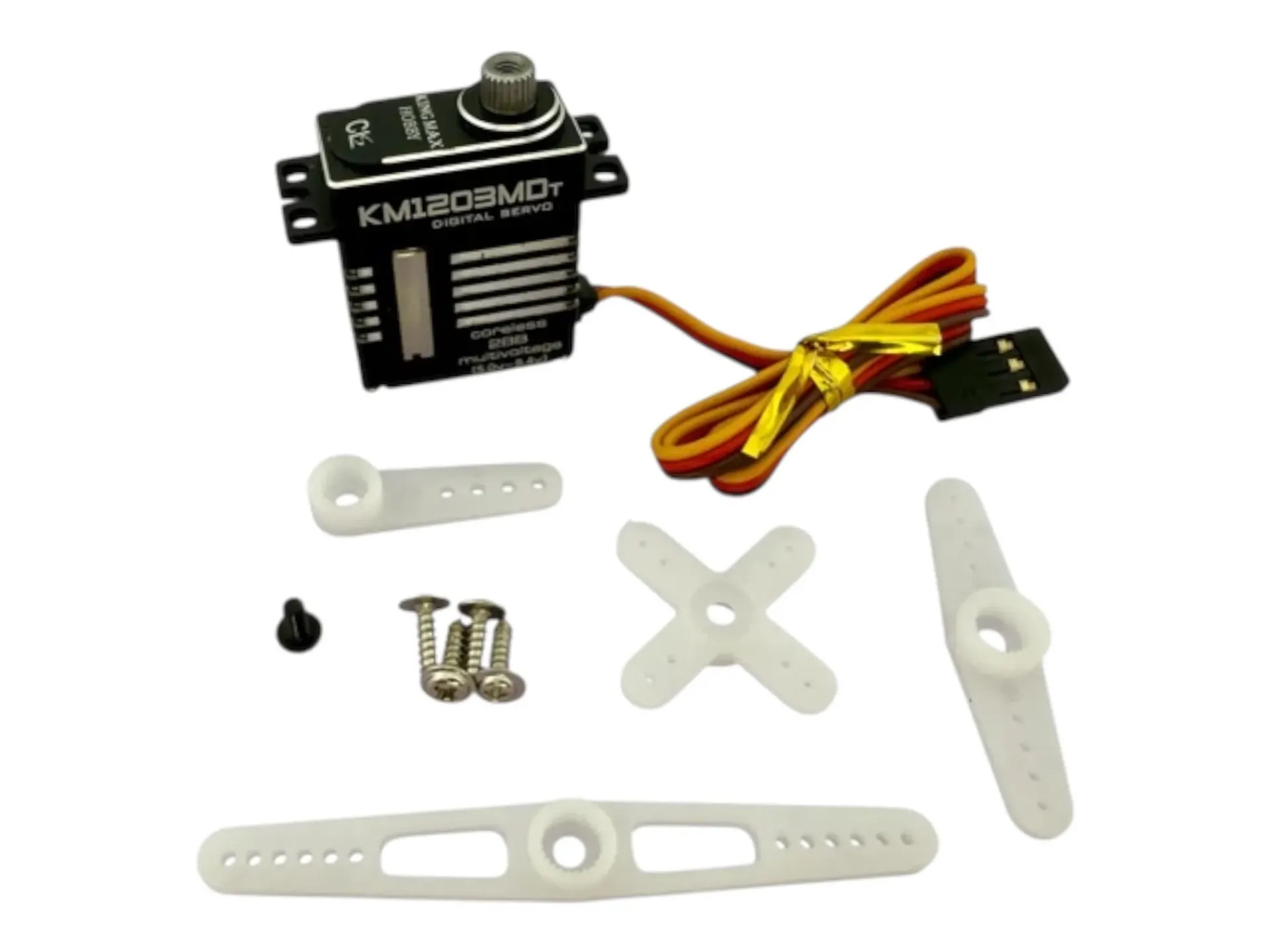
The KM1203MDt is an exceptionally high-performance micro servo, delivering industry-leading speed while maintaining impressive torque. It is among the fastest servos available in its class at comparable price points, achieving extreme response times without sacrificing strength.


Speed

Torque

8.4 volts

0.04 sec / 60°

7.2 kg.cm (100 oz.in)

7.4 volts

0.05 sec / 60° 

6.6 kg.cm (91.67 oz.in)

6.0 volts

0.06 sec / 60°

5.8 kg.cm (80.56 oz.in)

5.0 volts

0.07 sec / 60° 

4.6 kg.cm (63.89 oz.in)


Features:

  • Programmable high-performance mini digital servo

  • Metal gear train (copper and titanium)

  • High-quality coreless motor

  • Full CNC aluminum housing and structural components

  • Dual ball bearings

  • Direct-drive potentiometer

  • JR connector, 320 mm (12.48 in) lead length


Specs:

Weight: 20.3 g (0.72oz)

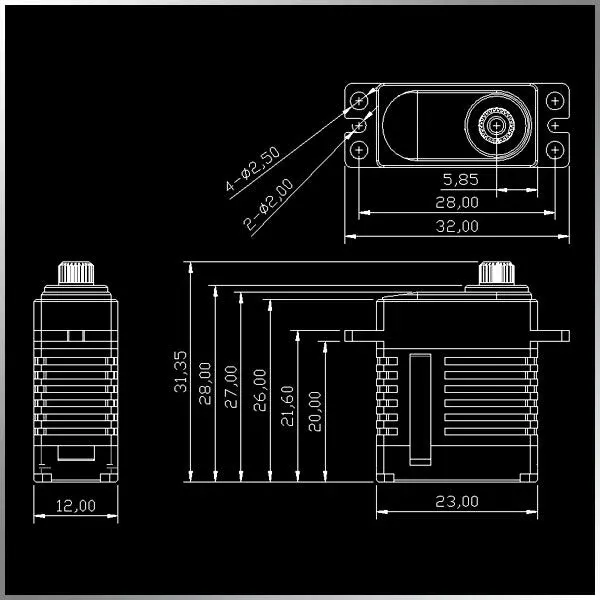
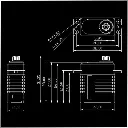
Dimensions: 23 mm x 12 mm x 27.5 mm / 0.91 x 0.47 x 1.07 in


39.93 39.93 65.00
( 0.00/Units)
 See Terms and Conditions 


At a blistering 0.04 sec / 60° the KM1203MDt is among the fastest micro servos in the world. In addition to that speed it also produces an exceptional 7.2 kg·cm of torque, making it suitable for demanding, high-load applications where both speed and precision are critical.

During operation, this servo may generate noticeable noise. This behavior is characteristic of the KM1203MDt’s high-speed design and should be considered normal.

Like all servos offered by Turnabot, the KM1203MDt is engineered for durability and is highly resistant to damage under normal operating conditions.*


Durability Notes

Many lower-cost servos fail after only a few seconds of hard stalling and often burn out after a short period of light stalling. The KM1203MDt can tolerate limited stalling for extended durations, including full battery discharge cycles.

Important: Prolonged stalling will generate significant heat. While this servo is far more tolerant of abuse than lower-cost alternatives, it may become uncomfortably hot to the touch. To maximize service life and reduce unnecessary power consumption, stalling should be minimized whenever possible.